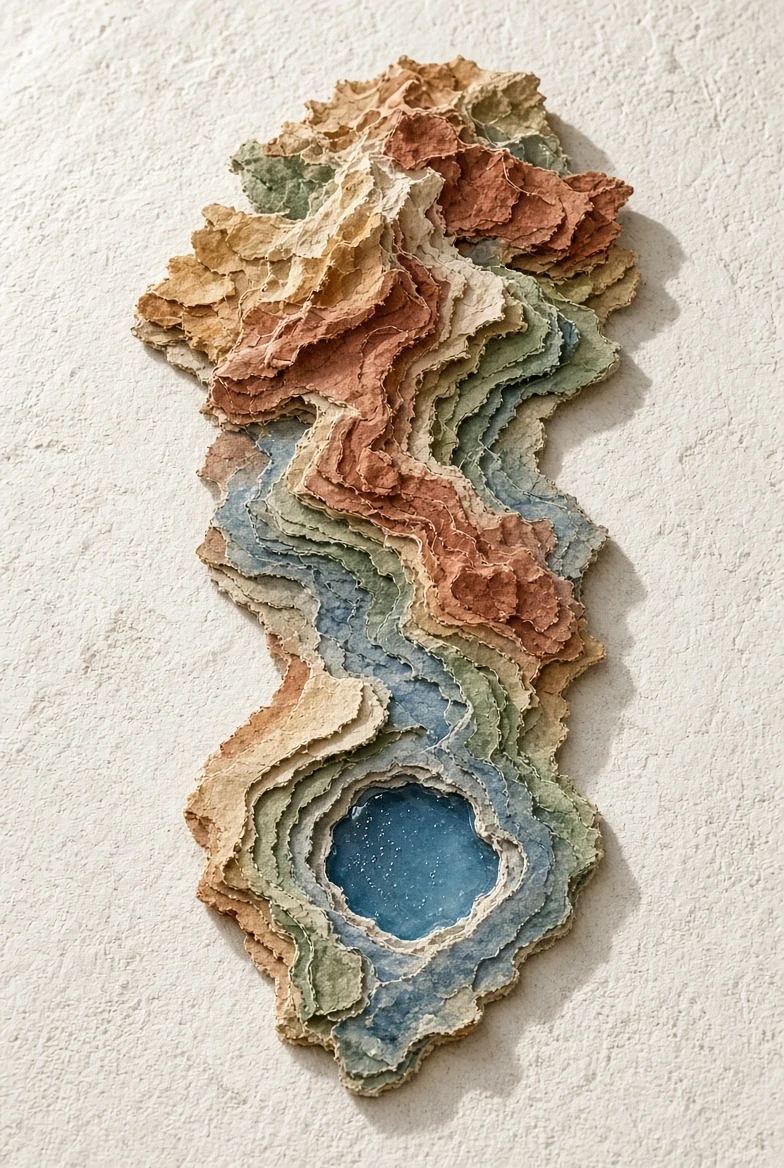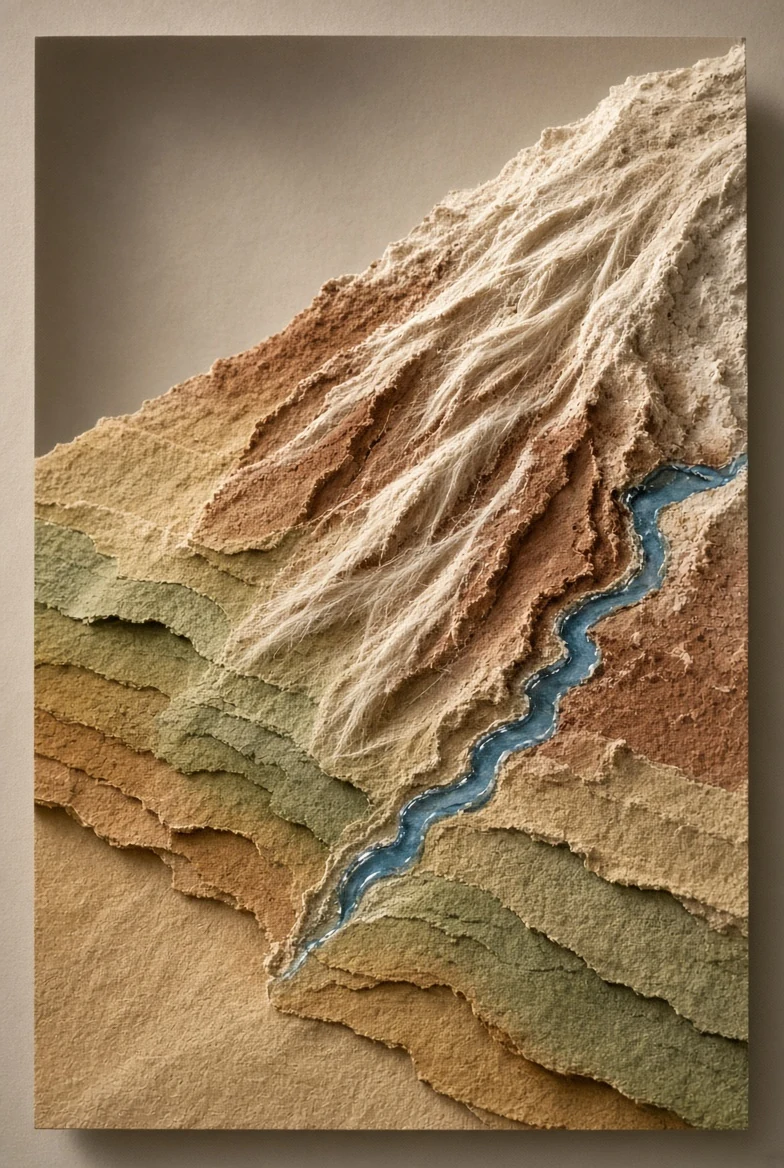
Exposure
Windward Slope
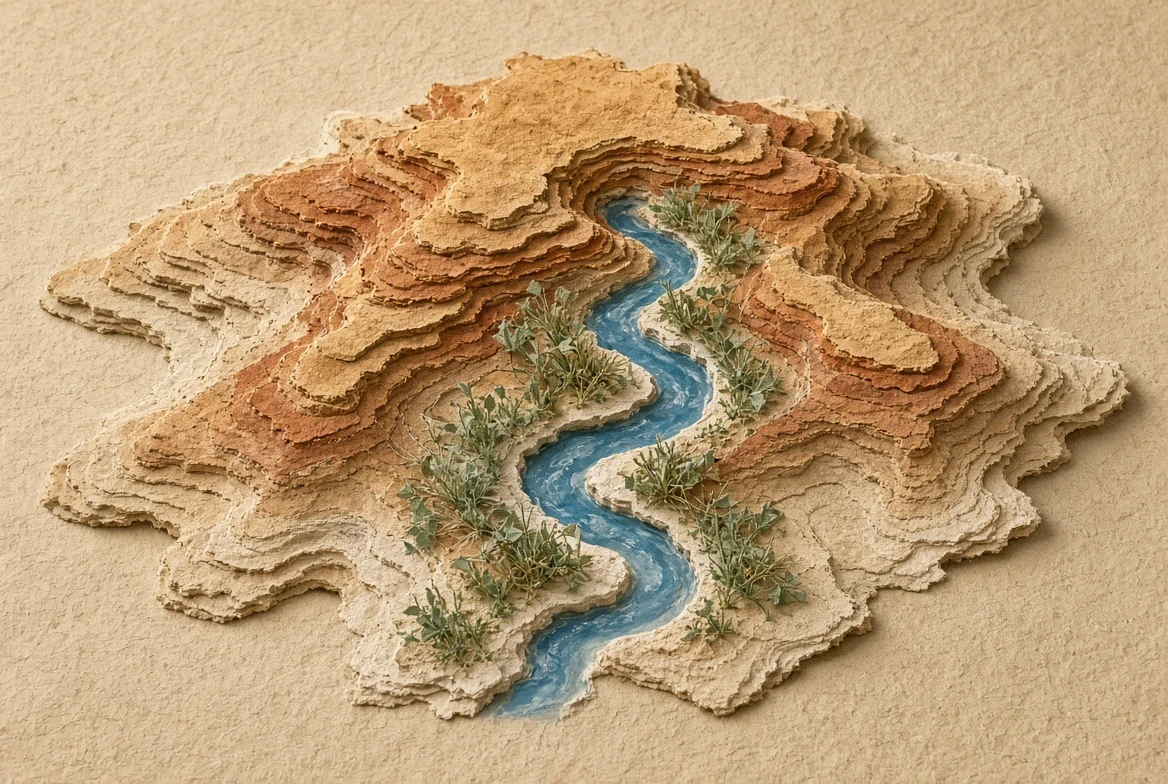
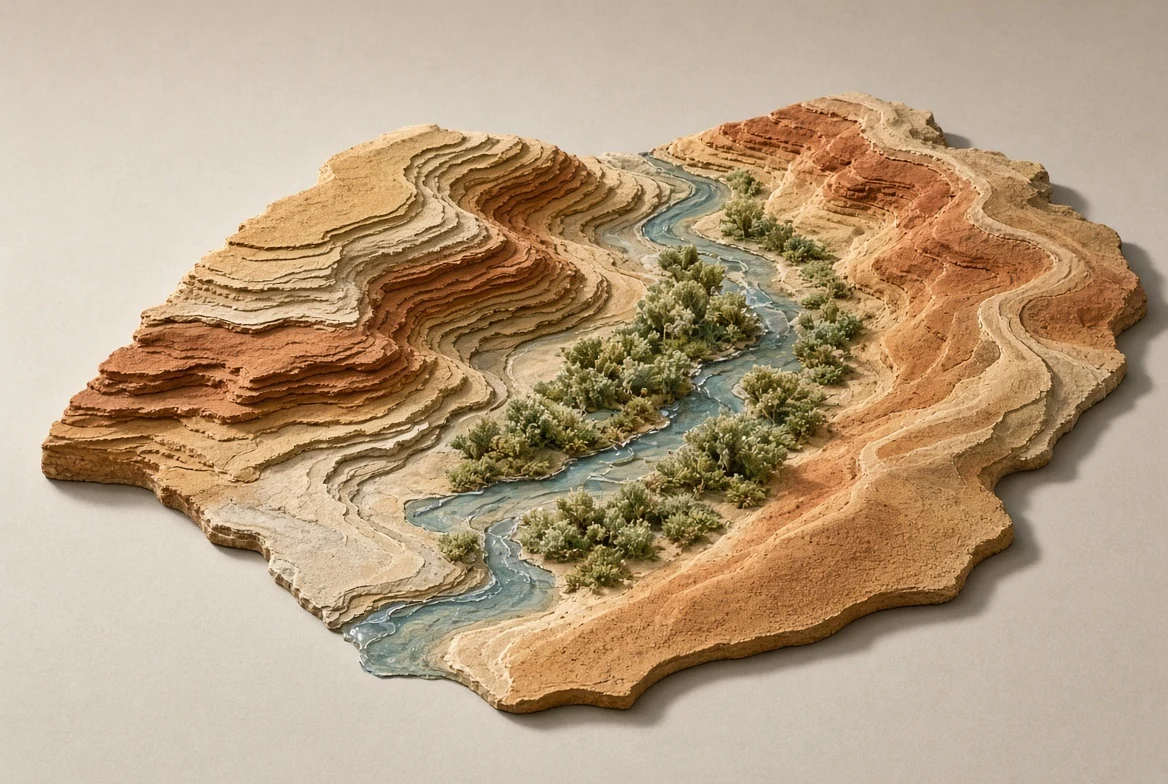
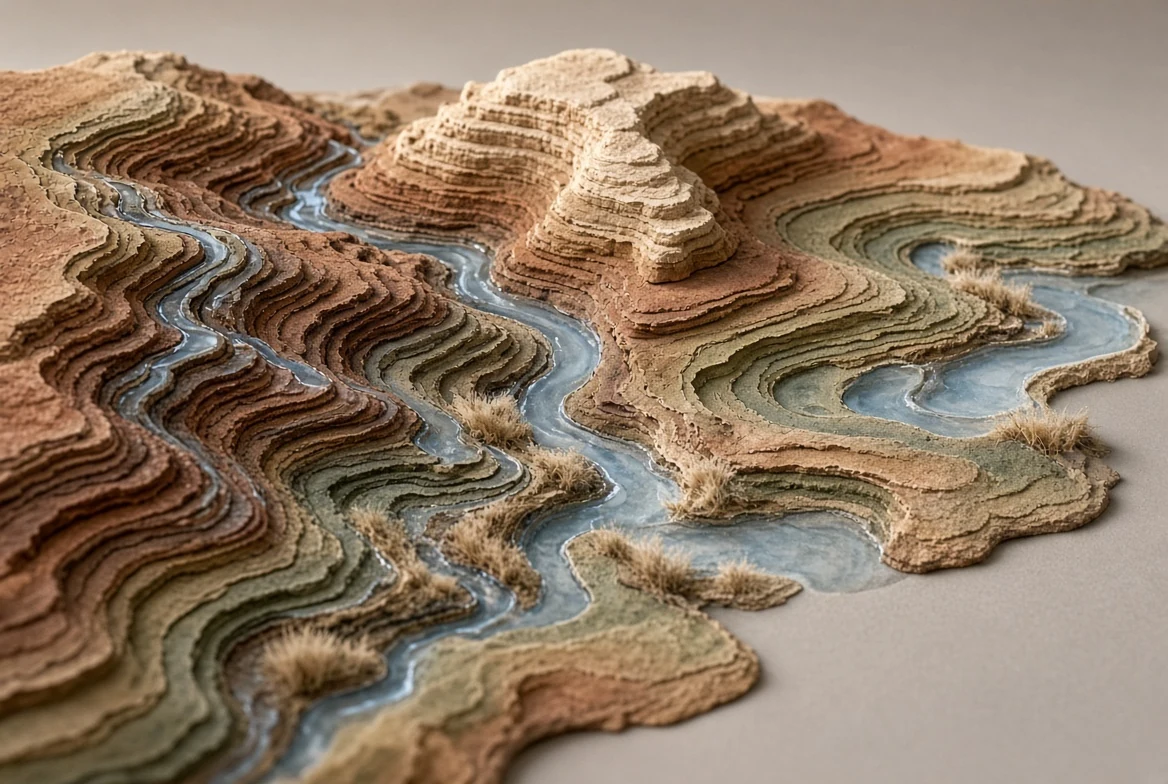
Compare what happens when flow meets heat, angle, wind, and uncovered ground. The app asks you to observe path and timing before choosing a response.
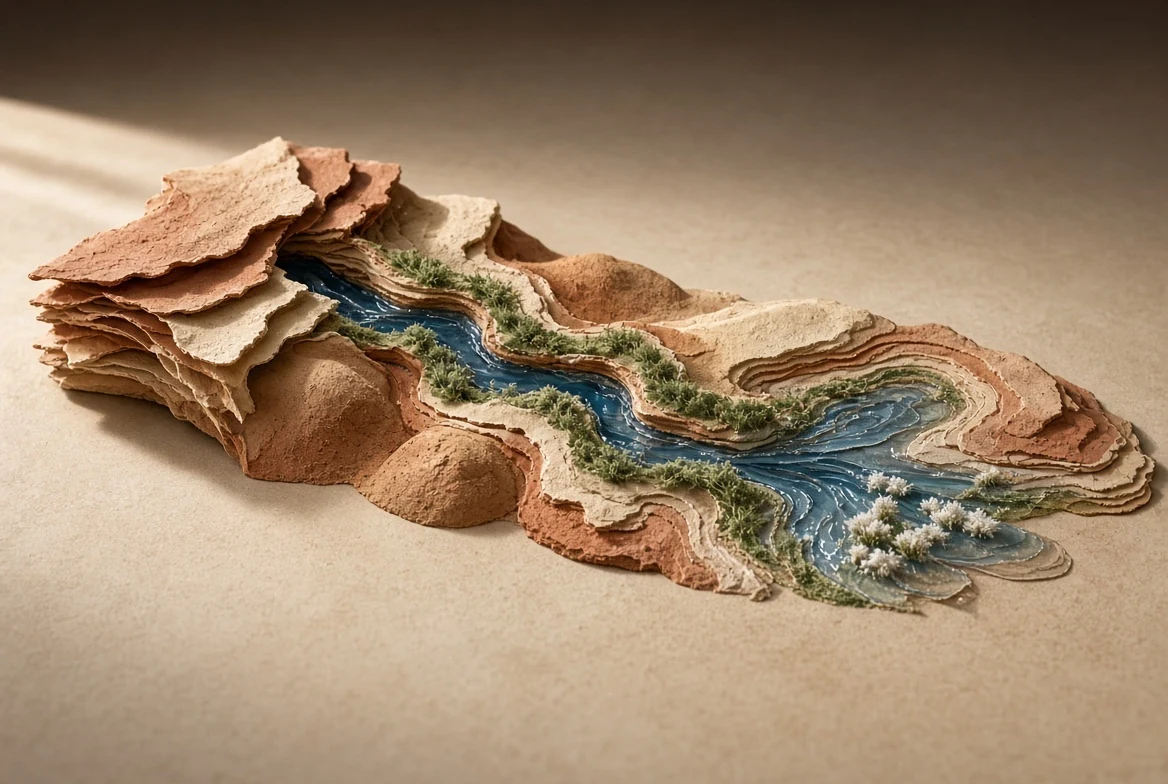
A tactile atlas for shared water thinking
Flow Commons turns ordinary questions about soil, shade, household observation, runoff, and reserve into landscapes you can route, compare, and remember.
Enter the foldoutBooth Orchard Water Association is a Pueblo, Colorado nonprofit recognized by the Internal Revenue Service as tax-exempt under section 501(c)(3), with public-charity classification under section 170(b)(1)(A)(vi), effective April 17, 2026.
The public record establishes the association's identity. Flow Commons builds a broader learning experience around water stewardship, using fictional basins and sourced domain concepts instead of presenting unverified services, schedules, rates, or outcomes.
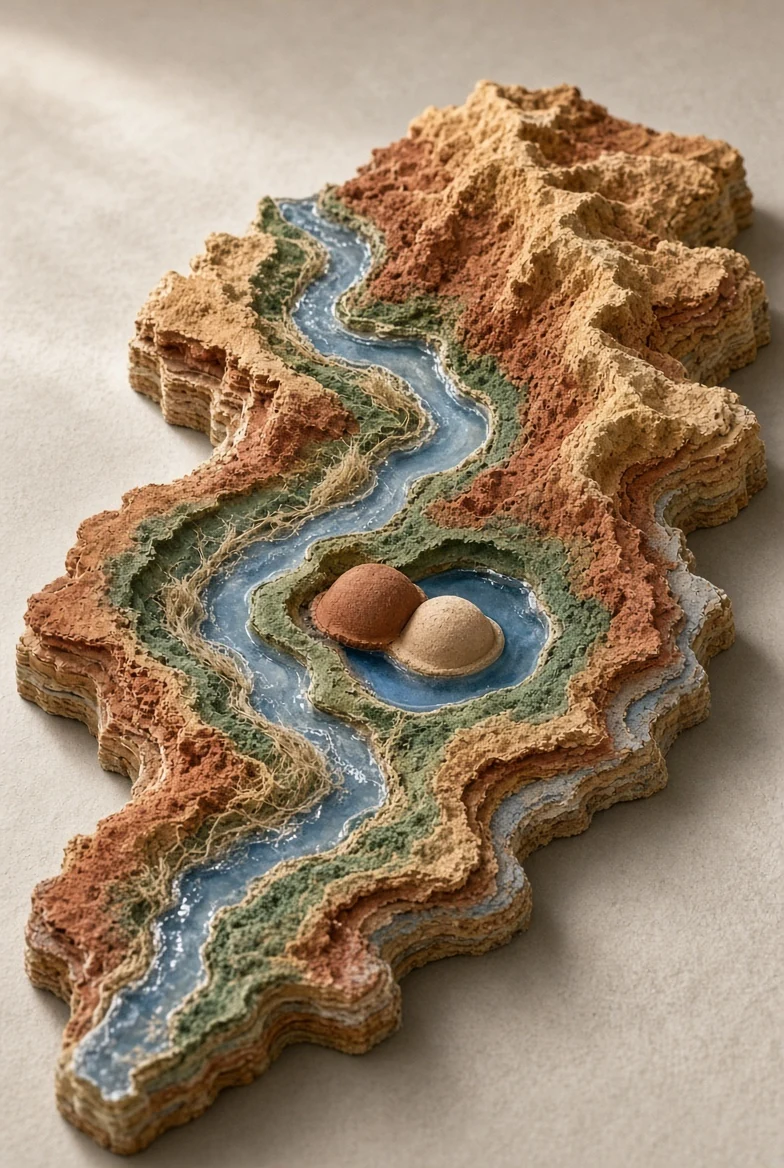
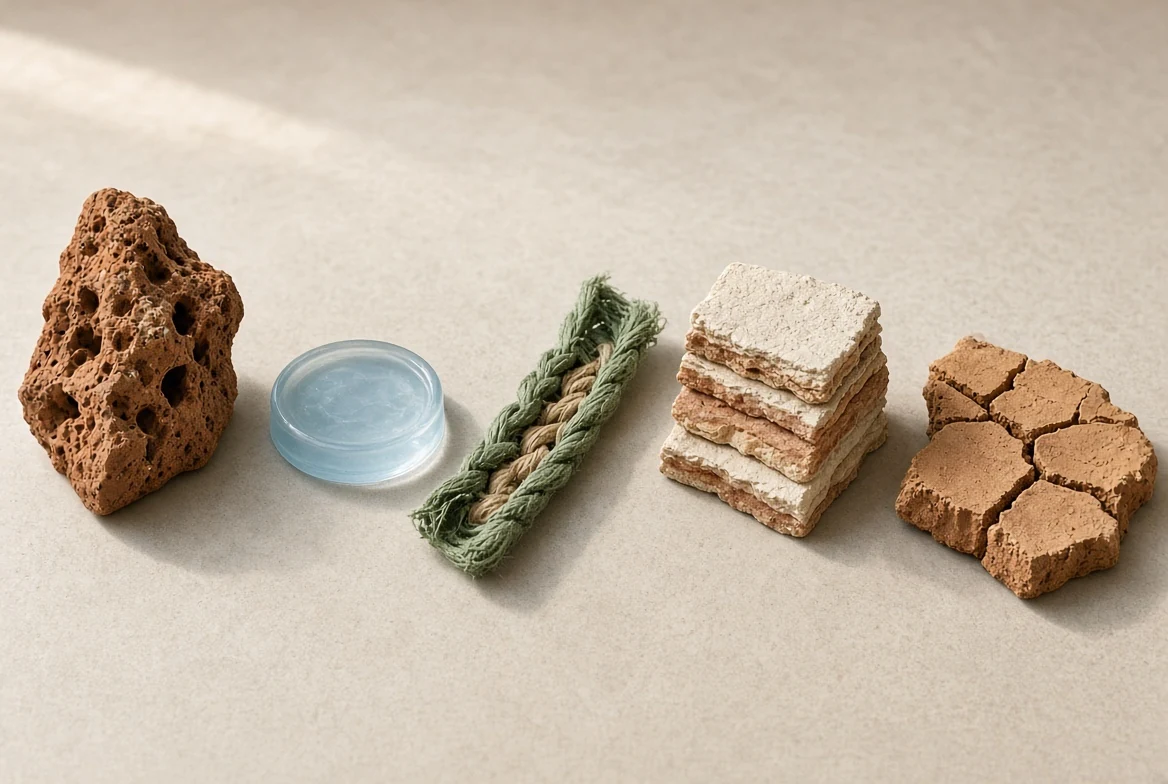
One finite set of flow tiles
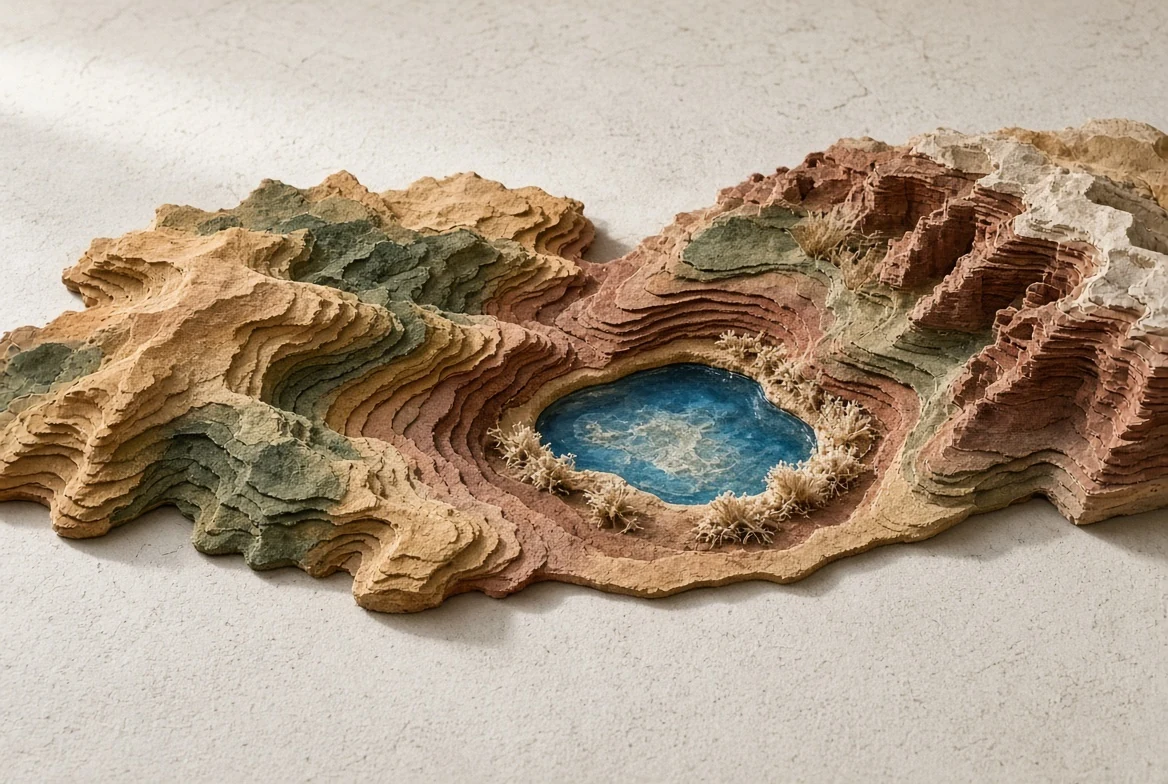
You begin with the same small reserve each time. Send more toward one condition and another part of the landscape changes. There is no score to chase—only a clearer view of the tradeoff you created.
Each chapter pairs a short explanation with an image-led observation. The rhythm changes with the material: exposed slope, compacted soil, soaking rings, shaded cover, grouped planting, or a nearly invisible repeated loss.
Exposure
Compare what happens when flow meets heat, angle, wind, and uncovered ground. The app asks you to observe path and timing before choosing a response.
Infiltration
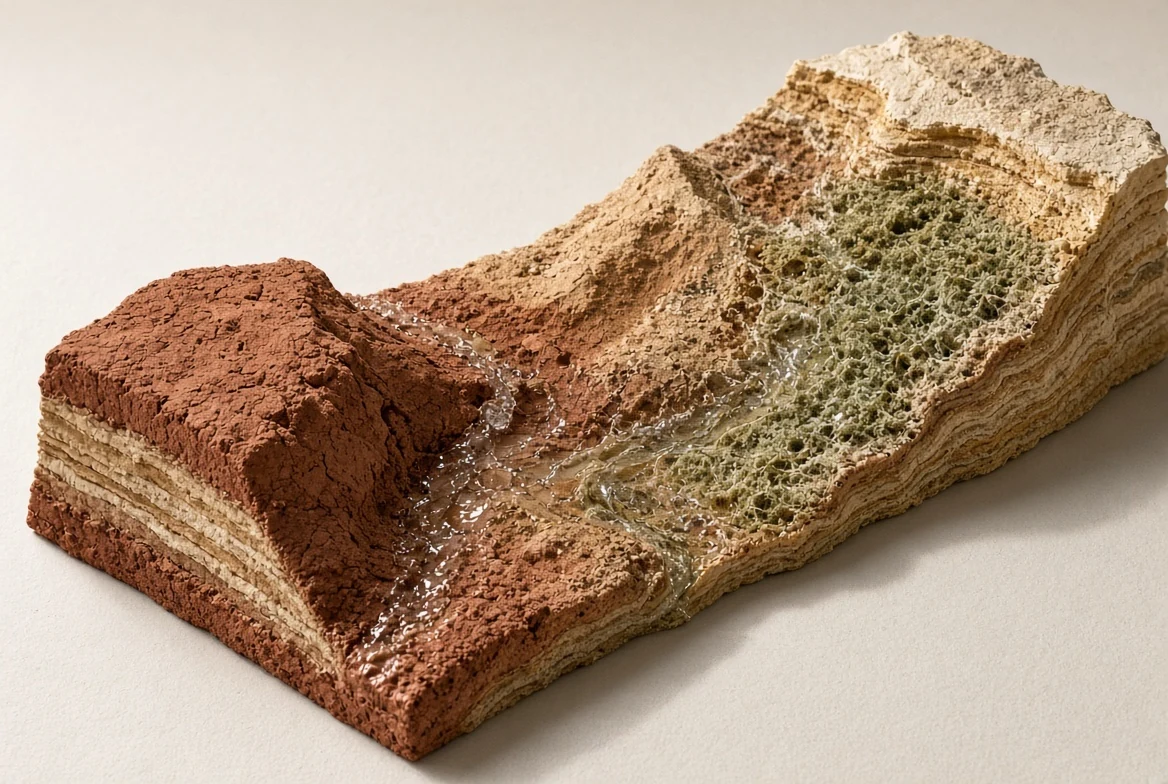
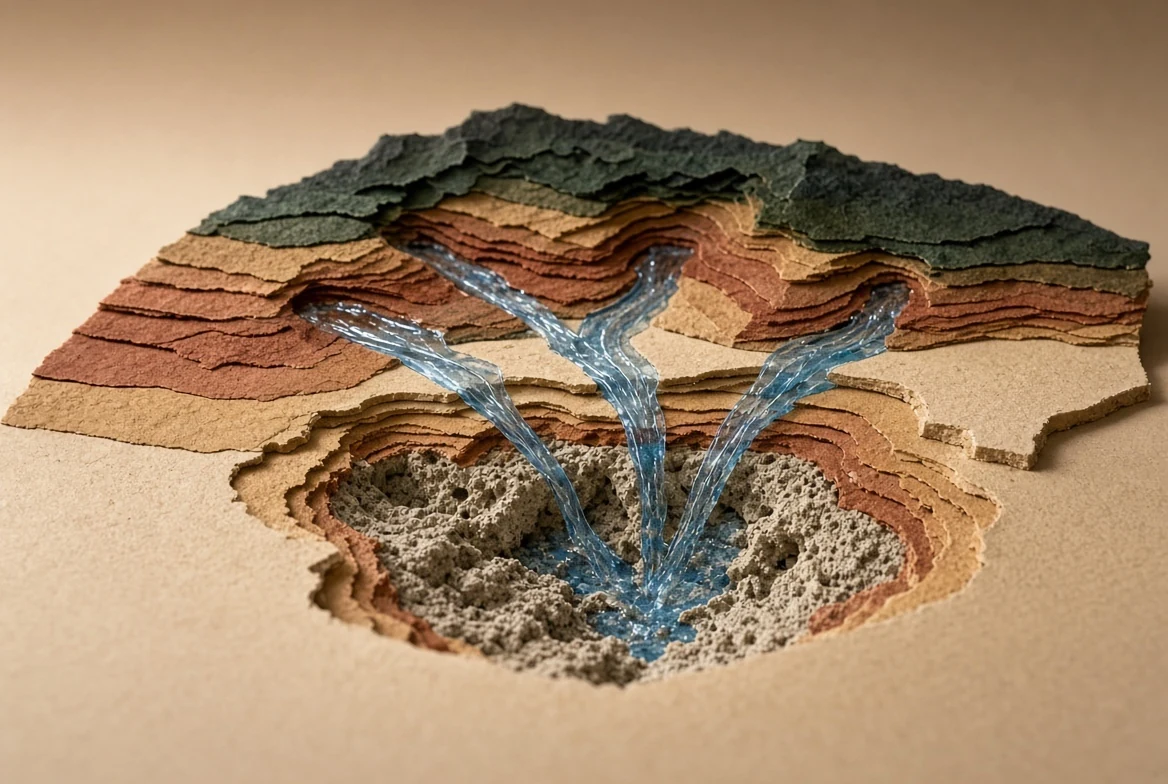
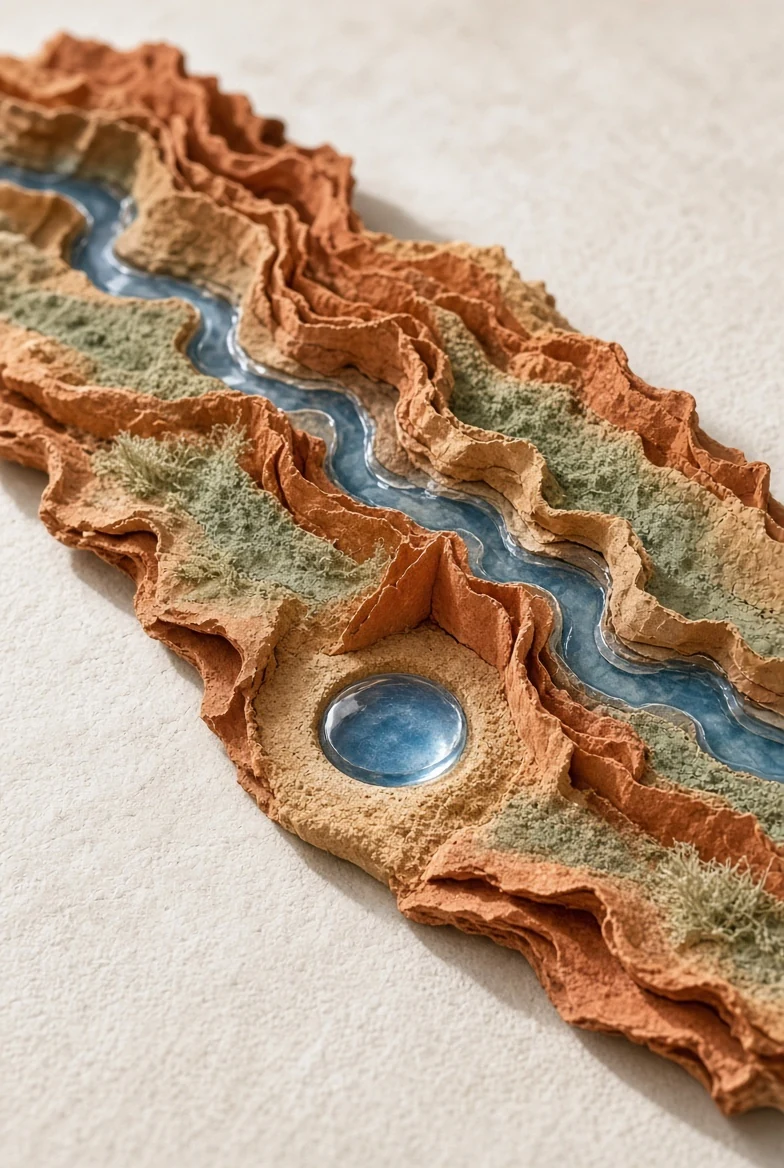
A cutaway makes small pore spaces and open structure easier to compare. Move a tile, watch pooling change, then try a second route.
Timing
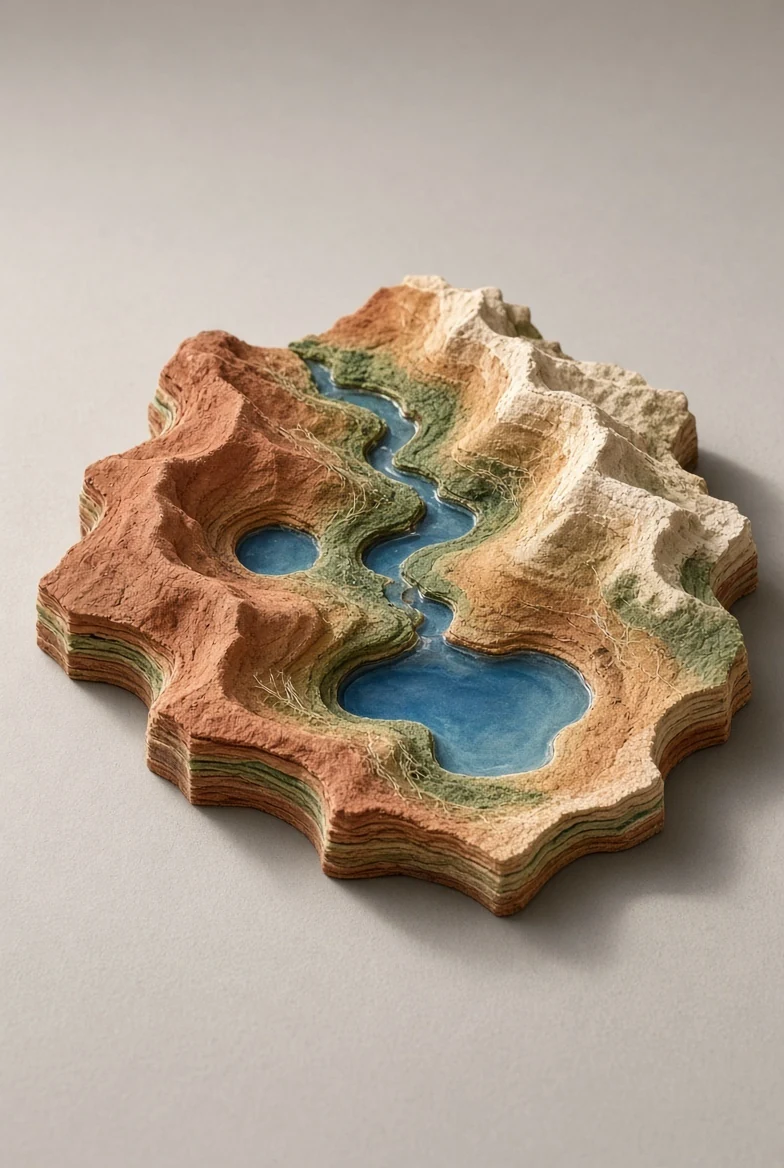
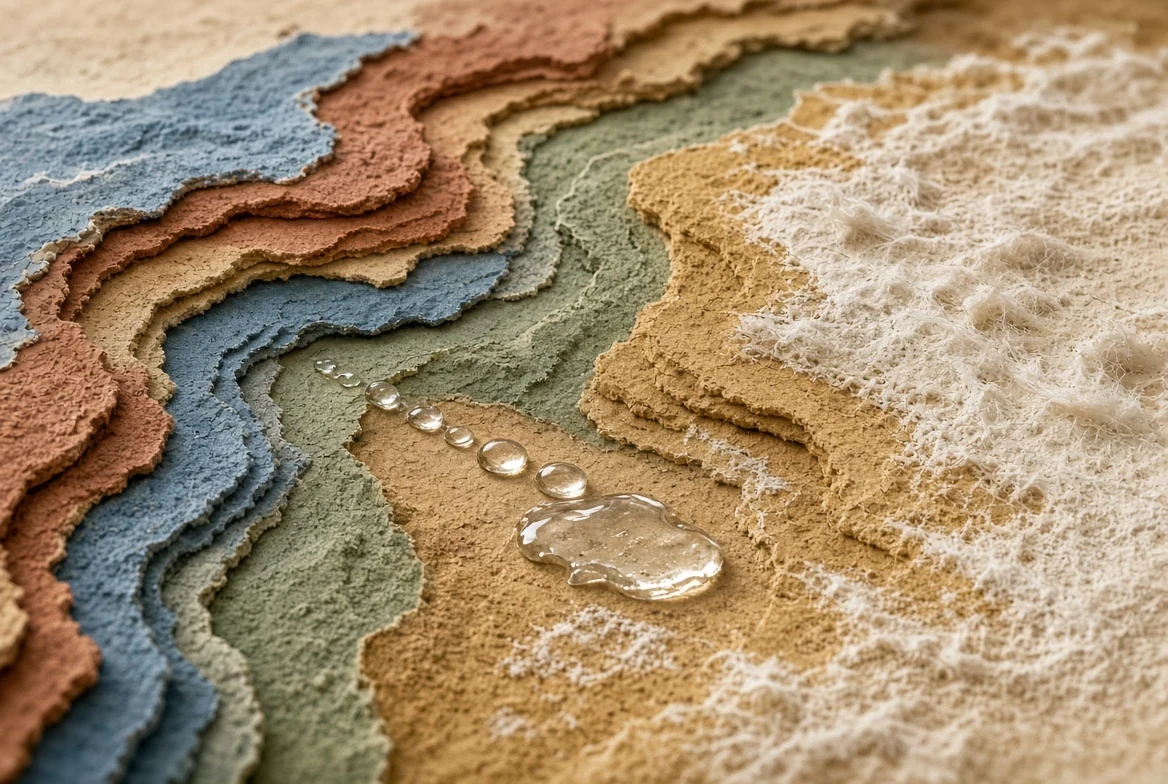
One long pass and several shorter cycles can create different surface patterns. Flow Commons lets you compare the shapes without calculating a property-specific schedule.
Cover
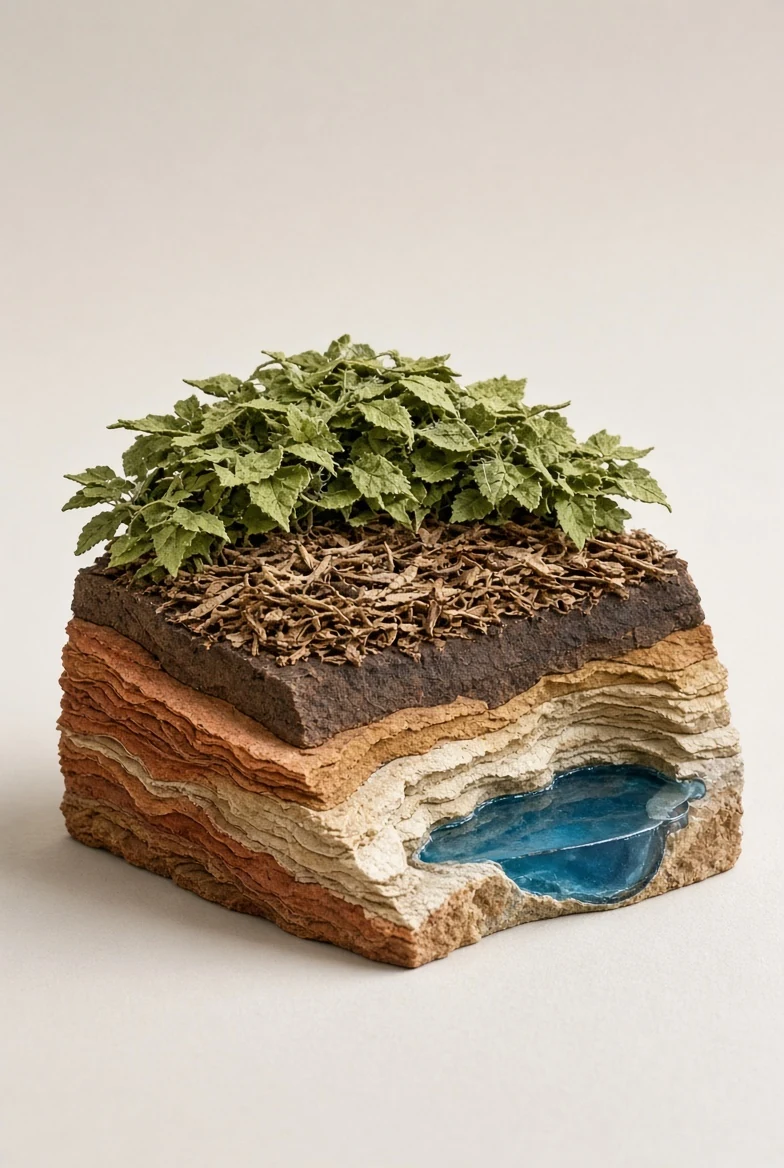
Move between exposed and covered surfaces. Notice how the visual language of heat, root zone, and retained moisture changes around the same amount of water.
Follow the edge
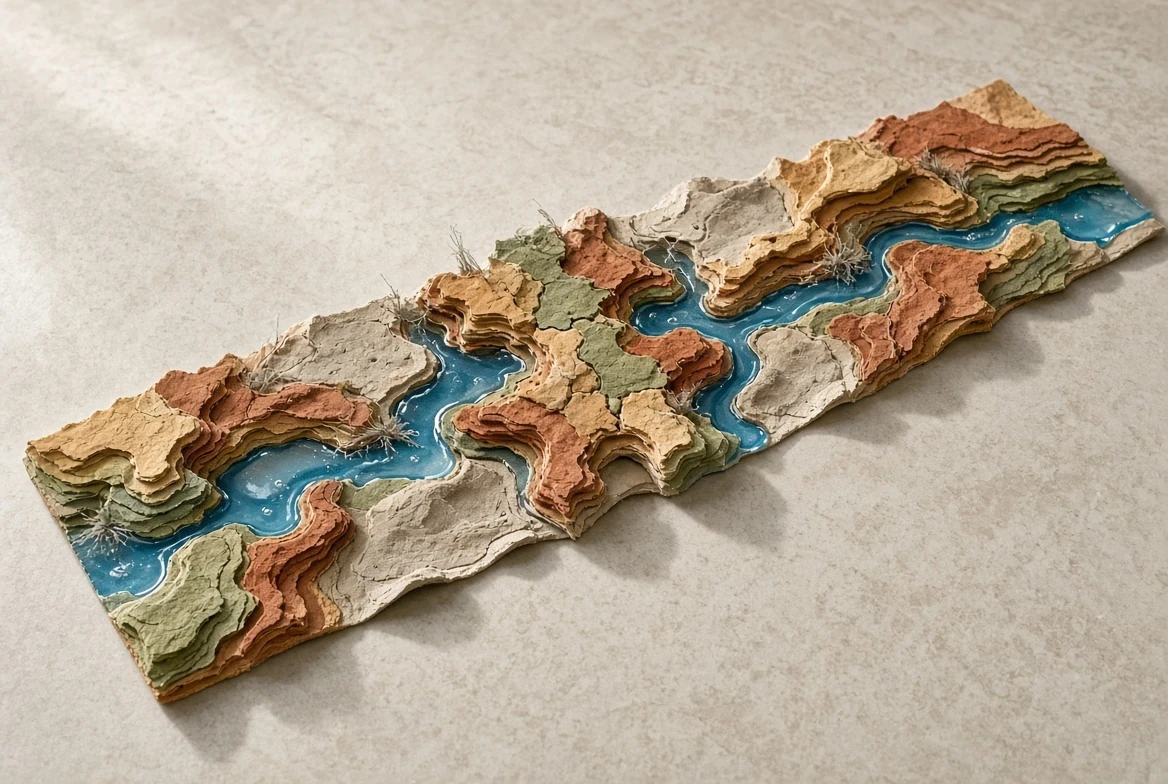
Trace a fictional storm line across hardscape and soil, then change one edge condition and watch the route settle somewhere new.
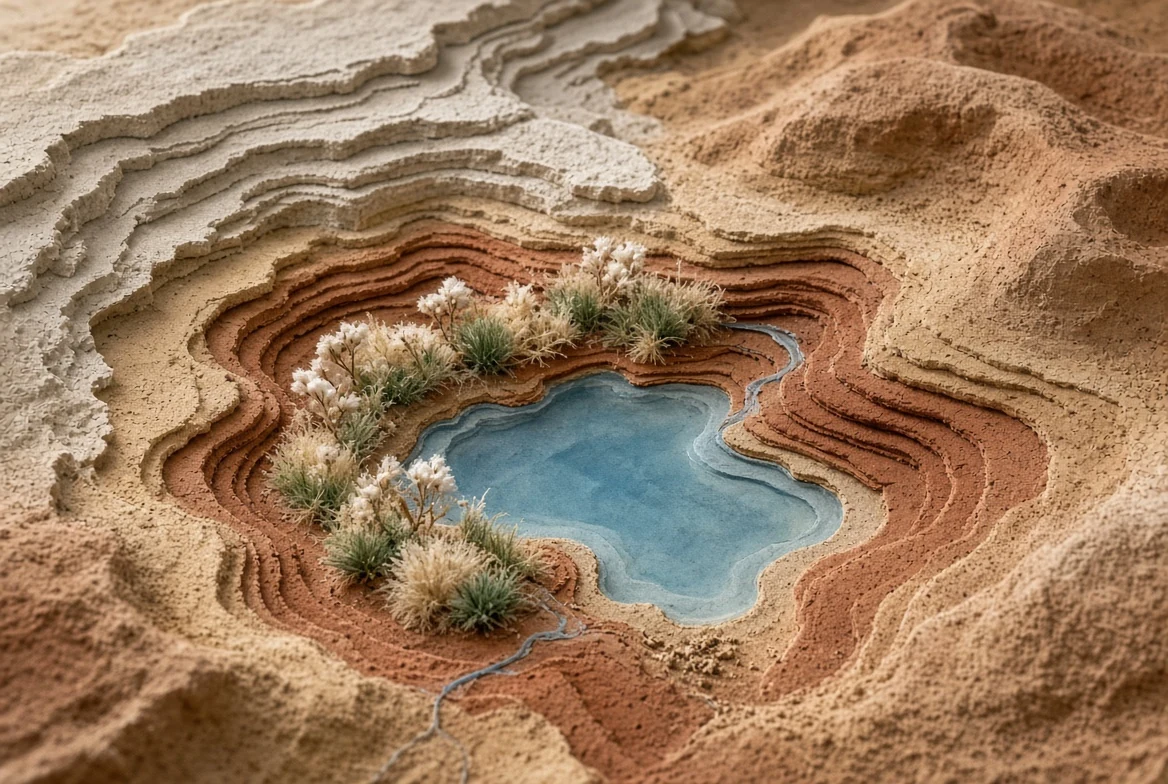
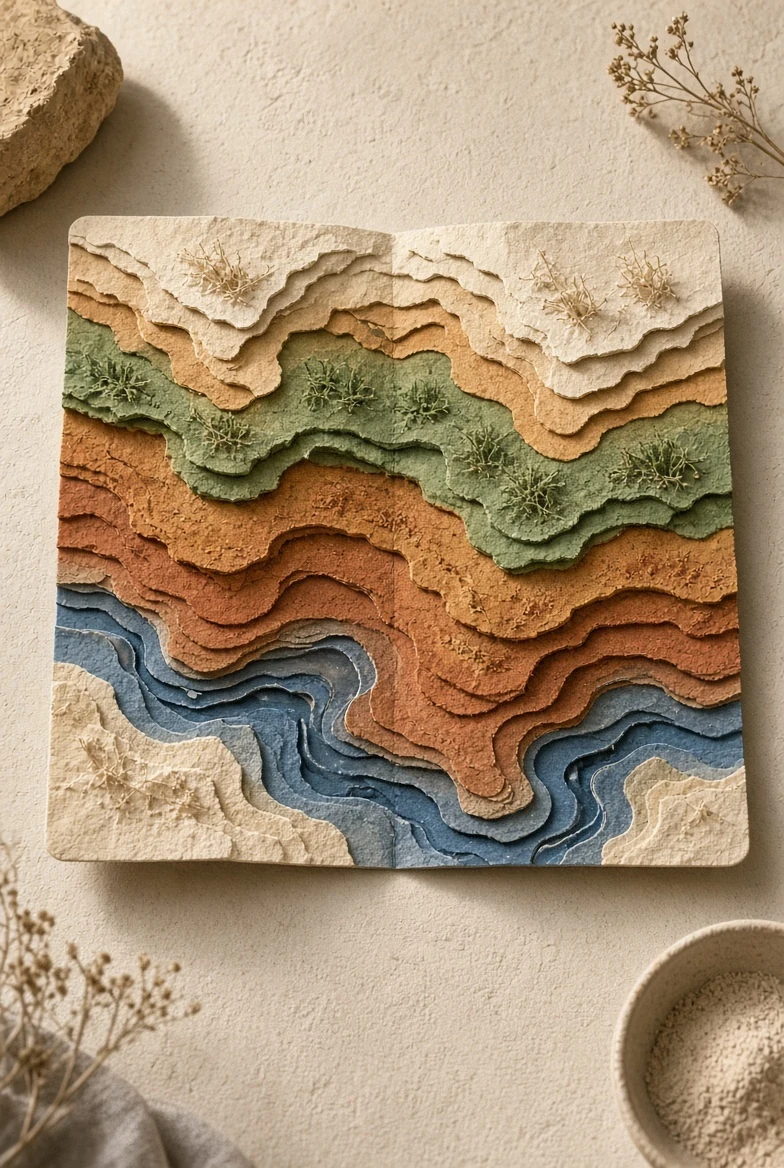


Choose a basin, open a scenario, route four native flow tiles, compare an alternative, then save one thought to the season ledger. The same terrain object carries your context forward and brings you back.
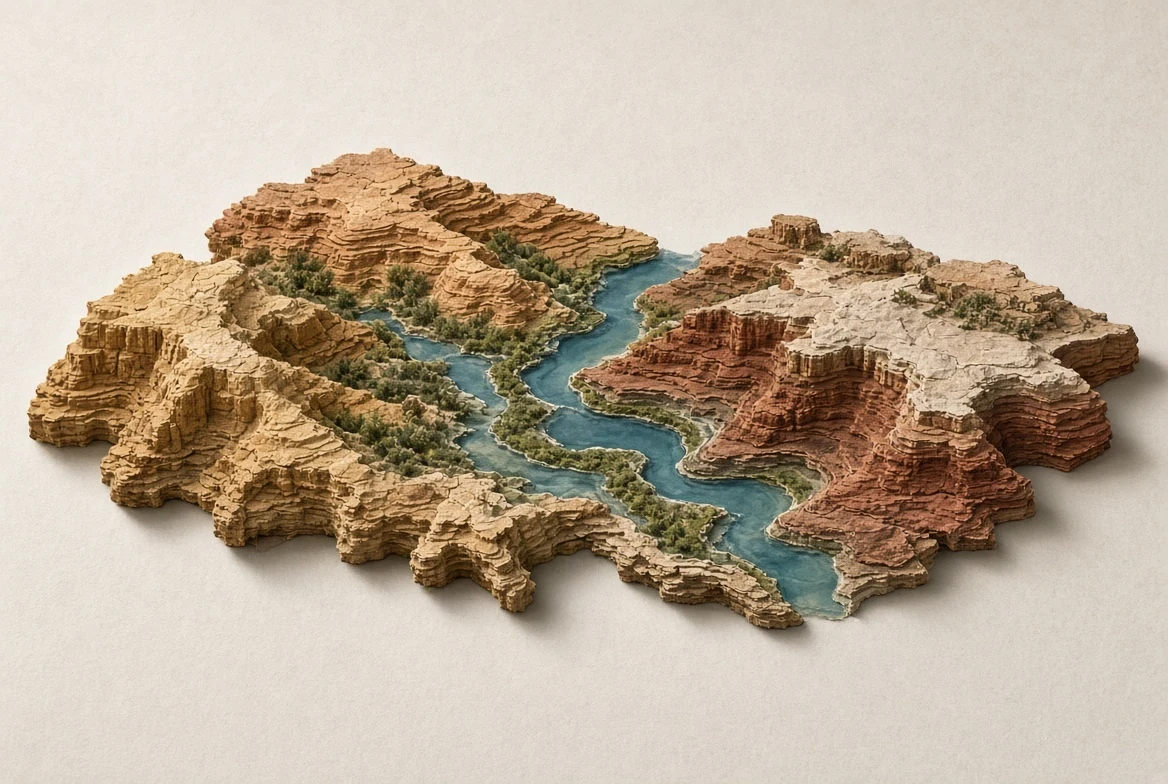
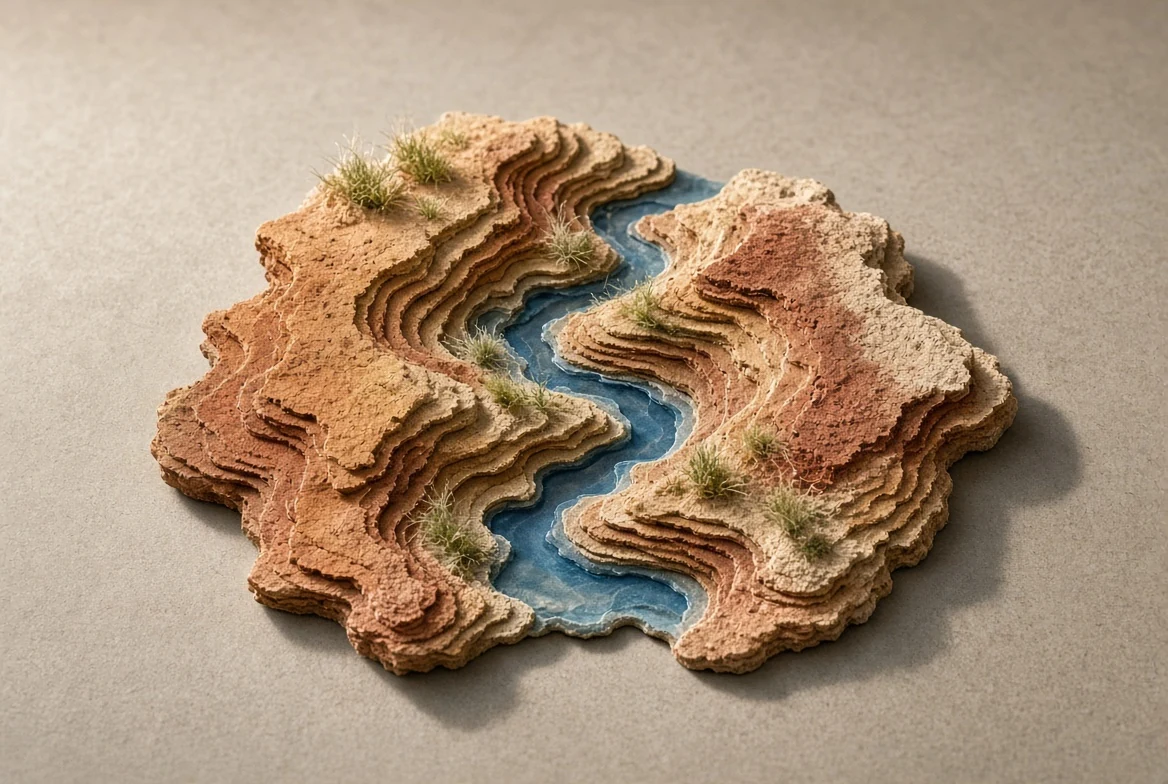
Water Words connects plain-language explanations to public domain references from the Colorado Division of Water Resources, U.S. Environmental Protection Agency, U.S. Geological Survey, CSU Extension, and Pueblo Water.
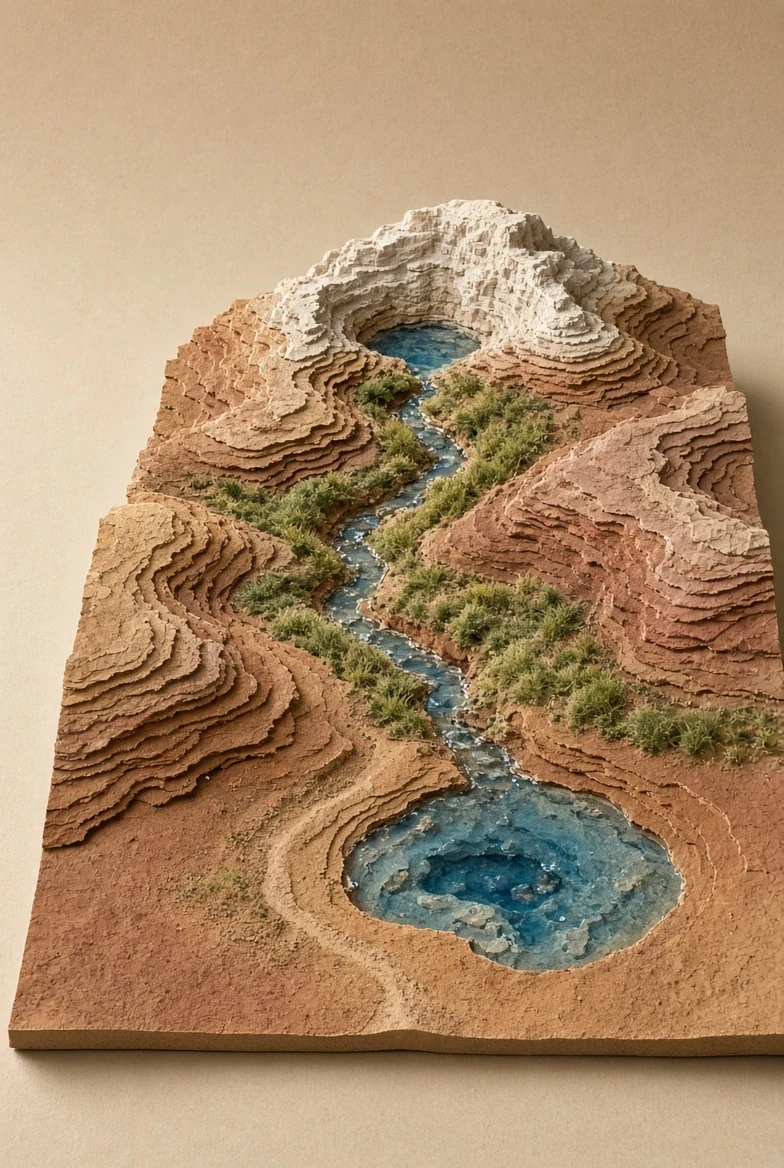
Flow Commons is made for repeated, low-pressure comparison. Start with a route, keep what helped you see more clearly, and return when the season looks different.
Read the privacy policy